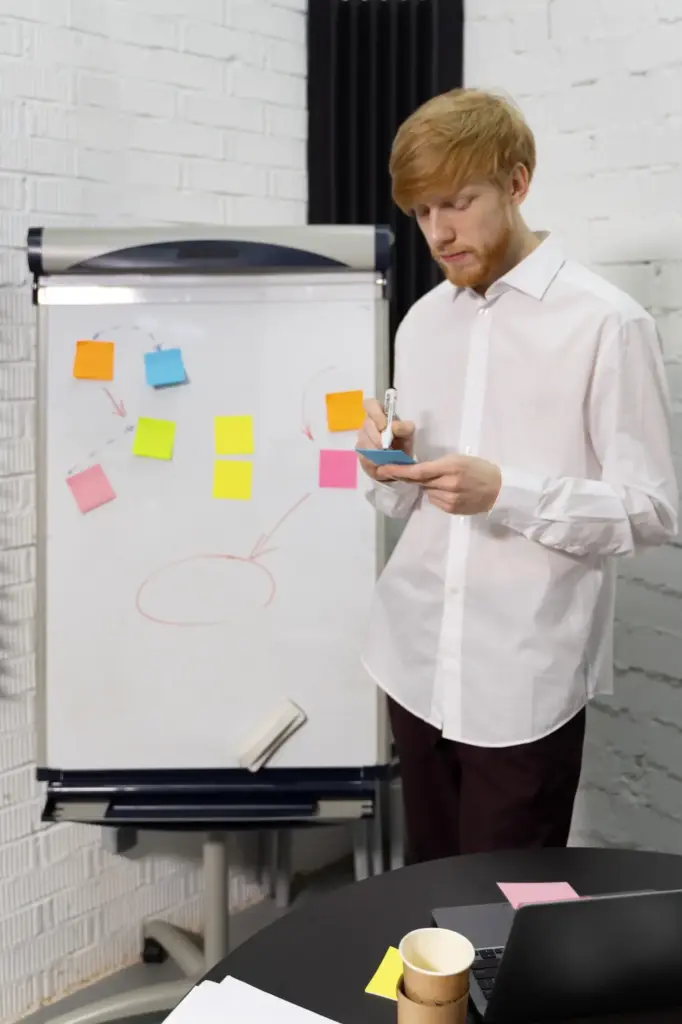
Ink Your Edge in a Digital World

We’re diving into the cognitive benefits of handwriting for screen‑saturated professionals, showing how pens and paper sharpen focus, strengthen memory, and spark creative breakthroughs when attention feels fragmented by constant notifications. Expect science-backed insights, practical rituals, and stories from busy teams who rediscovered clarity, energy, and better decisions by simply writing more. Share your handwriting rituals in the comments, and subscribe for upcoming prompts, printable templates, and case studies that keep your practice lively across busy seasons.

Why Analog Wins in a Digital Day

All-day screens elevate cognitive load, split attention, and encourage shallow processing, while the slow, tactile act of handwriting recruits sensorimotor loops that anchor thoughts in place. By engaging deliberate movement, spatial memory, and individualized phrasing, notes become meaning rather than mere capture. Professionals report fewer tabs in the mind, steadier concentration, and a calmer, more grounded cadence that carries into meetings, deep work blocks, and even tough conversations that once felt hurried and scattered.

The Generation Advantage

Mueller and Oppenheimer’s lecture-note research popularized a key point: summarizing in your own words boosts conceptual understanding beyond typing verbatim. Pens encourage paraphrase, compression, and unique marks that later spark recognition. When your phrasing generates meaning, memory consolidates, and meetings after lunch finally make sense tomorrow morning.

Spatial Cues on the Page

Margins, indentations, and sketches create a mental map that your mind’s eye revisits. Remembering becomes partly spatial: top-left quote, bottom banner, middle star cluster. These tiny landmarks resolve foggy recollection into grounded detail, especially when deadlines loom and you need specifics faster than any search.

Annotation Rituals that Work

Adopt a compact legend—triangles for decisions, circles for risks, exclamation marks for assumptions, arrows for next steps. Review by scanning only marks, then expand. Five concentrated minutes turns scattered pages into actionable memory, supporting better handoffs, smarter escalations, and fewer needless delays that drain velocity and morale.

Creativity and Problem-Solving Boosts

When ideas feel stuck behind glass, sketching and handwriting restore playful exploration. Loose lines invite ambiguity, a fertile space where novel combinations surface. Doodles, arrows, and frames help chunk complexity into solvable parts. Leaders uncover hidden constraints, fresh metaphors, and cleaner architectures by roughing them out first on paper. Share your favorite sketching trick with our community, and we may feature it in a future challenge to spark bolder experiments across roles.

Two-Minute Microbreaks

Set a timer, step away from tabs, and breathe while scribbling a box-breathing square: inhale on one side, hold across, exhale down, hold back. The kinesthetic trace steadies attention. Jot one intention, one obstacle, one next move. Return with calmer urgency and cleaner priorities.

Gratitude, Clarity, Closure

End the day with three quick lines: what worked, who helped, and what tomorrow needs first. Expressive writing research from Pennebaker onward shows surprisingly durable wellbeing effects. Closure rituals reduce nighttime rumination, protect sleep, and prime next-day momentum before emails crowd judgment and narrow perspective.

Practical Systems for Busy Schedules

Bullet Journal, Evolved for Teams

Use tasks, bullets, and signifiers, but add shared context: meeting purpose, attendees, and decision timestamp. Migrate open items on Fridays, tagging owners and risks. Photograph and share a concise recap. Teammates gain alignment, while you retain a trusted paper trail that accelerates retros and audits.

Cornell for Rapid Reviews

Use tasks, bullets, and signifiers, but add shared context: meeting purpose, attendees, and decision timestamp. Migrate open items on Fridays, tagging owners and risks. Photograph and share a concise recap. Teammates gain alignment, while you retain a trusted paper trail that accelerates retros and audits.

Hybrid Capture Workflows

Use tasks, bullets, and signifiers, but add shared context: meeting purpose, attendees, and decision timestamp. Migrate open items on Fridays, tagging owners and risks. Photograph and share a concise recap. Teammates gain alignment, while you retain a trusted paper trail that accelerates retros and audits.

Tools, Setup, and Habits That Stick

Choosing the Right Tools

Select a pen that glides without blobs, with line variation you enjoy—gel for speed, fountain for expression, fineliner for sketching. Paper around 80–100 gsm prevents show-through. A compact A5 notebook travels well, inviting frequent use instead of waiting for some imaginary perfect moment.

Make It Visible and Inevitable

Place the notebook where the eye lands first: beside the keyboard, on the conference table, or in your bag’s quickest pocket. Pair it with a morning beverage cue. Lower the start-up cost so much that beginning requires less energy than hesitating or scrolling one more feed.

Metrics and Gentle Accountability

Track tiny wins: pages filled, ideas shipped, meetings decided on the spot. Share a weekly snapshot with a peer, celebrating progress without performative dashboards. The visible trail changes identity first, results second, until colleagues start asking for your process rather than your explanation after delays.
Kiramexodexofexoravopirazento
Privacy Overview

This website uses cookies so that we can provide you with the best user experience possible. Cookie information is stored in your browser and performs functions such as recognising you when you return to our website and helping our team to understand which sections of the website you find most interesting and useful.